Tsum Valley Trek - 13 Days

1700 Reviews in TripAdvisor
570 Reviews in Google

Nature Lovers Treks and Tours welcomes you to one of Nepal's most extraordinary and spiritually charged trekking destinations: the Tsum Valley Trek. Tucked deep within the Gorkha district of northern Nepal, the Tsum Valley is a remote Himalayan sanctuary that remained closed to outside visitors until 2008. Known locally as the 'Valley of Happiness,' this ancient Tibetan Buddhist enclave is one of the last truly pristine cultural landscapes in the world, where centuries of isolation have preserved a way of life that has all but vanished from the broader Himalayan region.

Duration
13 Days
Trip Grade
Moderate
Country
Nepal
Max Altitude
3,700 meters at Mu Gompa
Starts
Kathmandu
Ends
Kathmandu
Group Size
Private trips / Group departures
Activities
Cultural Trekking
Best Time
March - May | September - December

The 13-day Tsum Valley Trek is a carefully crafted itinerary that takes you far beyond the reach of mainstream trekking routes, delivering a journey that is equal parts physical adventure, cultural discovery, and spiritual awakening. From the lush subtropical forests of the lower Budhi Gandaki valley to the wind-swept highland meadows near the Tibetan border, every day brings dramatic shifts in landscape, altitude, and atmosphere. You will move through a landscape shaped by both ancient geology and centuries of human habitation, encountering environments that feel genuinely untouched by modern tourism.

This trek is ideally suited for seasoned trekkers who seek something genuinely off the beaten path. You will walk through centuries-old mani walls, ancient chortens, and traditional stone villages largely untouched by modernisation. The towering peaks of Ganesh Himal, Sringi Himal, and Baudha Himal frame your path at every turn, creating a visual spectacle that is simply unmatched in the Himalayan trekking world. The valley's restricted area status ensures that visitor numbers remain low, preserving both the natural environment and the cultural integrity of the communities you will encounter.

Your Tsum Valley adventure begins in Kathmandu with a scenic overland drive to Machha Khola, from where the trek follows the Budhi Gandaki River corridor deeper into the restricted zone. The highlight is your day trip to Mu Gompa, the valley's highest and most revered monastery. Perched at 3,700 metres above sea level, Mu Gompa offers sweeping views of Himalayan giants and an atmosphere of extraordinary tranquility that few places on earth can match.

Why Choose the 13-Day Tsum Valley Trek in Nepal?

The Tsum Valley Trek is unlike any other trekking experience in Nepal. Beyond its raw scenic beauty and physical challenge, this trail takes you through a living museum of Tibetan Buddhist culture, where ancient traditions continue to shape every aspect of daily life.

Here are the most compelling reasons to lace up your boots for this extraordinary journey:

Enter Nepal's Sacred Hidden Valley: The Tsum Valley is a beyul, a hidden sacred land described in ancient Tibetan Buddhist texts as a place of refuge and spiritual power. Its long seclusion has preserved a way of life that has all but vanished elsewhere in the Himalayan world, making it one of Asia's most authentic cultural trekking destinations. The valley's inhabitants, known as the Tsumba people, maintain traditions that stretch back over a thousand years, including the practice of polyandry, a distinct local dialect, and seasonal festivals rooted in Tibetan Buddhism.

Visit Mu Gompa, the Valley's Crown Jewel: The day trip to Mu Gompa at 3,700 metres is the spiritual and scenic highlight of the entire trek. This ancient monastery is home to a thriving community of monks and nuns who follow strict monastic routines amid some of the most spectacular high-altitude scenery in the Himalayas. The monastery commands breathtaking panoramic views of Himalayan peaks rising above the Tibetan plateau, and the opportunity to witness or participate in morning prayers offers a profoundly moving experience that remains with trekkers long after they return home.

Unspoiled Himalayan Landscapes: From subtropical river gorges and dense rhododendron forests to high-altitude alpine meadows carpeted with wildflowers, the scenery transforms dramatically with every gain in elevation. The sheer variety of natural environments encountered across the 13-day itinerary makes each trekking day feel entirely different from the last, maintaining a sense of discovery and visual freshness throughout the journey.

Rich Tibetan Buddhist Heritage: Encounter intricately carved mani stones, spinning prayer wheels, ancient stupas, and cliff-face monasteries that date back many centuries. The valley's inhabitants speak a distinct Tibetan dialect, observe centuries-old festivals that mark the agricultural and spiritual calendar, and maintain a relationship with the land and with their Buddhist faith that is genuinely inspiring to witness.

Panoramic Views of Himalayan Giants: The Ganesh Himal, Sringi Himal, Baudha Himal, and Himalchuli massifs form a stunning and ever-changing backdrop throughout the trek. These peaks, several of which remain unclimbed, provide jaw-dropping views from numerous vantage points along the trail, offering exceptional opportunities for photography at sunrise, midday, and during the golden afternoon light.

Off-the-Beaten-Path Experience: Unlike the Everest Base Camp or Annapurna Circuit routes, the Tsum Valley receives relatively few trekkers each year due to its restricted area status. This ensures a peaceful, personal journey through the wilderness. You will encounter local families and herders who are genuinely delighted to meet travellers, offering an authenticity and warmth that is increasingly rare on Nepal's more frequented trekking corridors.

Responsible and Sustainable Trekking: The restricted area permit system limits the total number of visitors each year, protecting the valley's fragile ecosystem and ensuring that trekking revenue is channelled into the local economy. Choosing the Tsum Valley Trek is a meaningful and conscious step toward responsible Himalayan tourism that benefits both the environment and the communities that call this extraordinary landscape home.

A Typical Day on the 13-Day Tsum Valley Trek in Nepal 2026/2027

The Tsum Valley Trek follows a rhythm shaped by early starts, long trails, and warm teahouse evenings. Days begin with the first light filtering through the mountains. Your guide will wake you in time to enjoy a hot breakfast before the day's trek commences, typically around six or seven in the morning depending on the distance and terrain ahead. Mornings are cool and crisp at higher elevations, making them ideal for covering ground efficiently before the midday sun rises overhead.

Breakfast at your teahouse typically features a generous spread of local staples. Expect Tibetan bread baked fresh over a wood fire, tsampa porridge made from roasted barley flour, boiled eggs, and sweet butter tea brewed in the Tibetan style. Many teahouses along the route also offer porridge, instant noodles, and pancakes for trekkers with different preferences. After the meal, you pack your daypack and set off into the valley trails with your professional guide, following river paths, stone-paved mule tracks, and forested ridgelines. The trail is well-marked but demands steady attention, particularly on the narrower cliff paths that traverse the sheer walls of the Budhi Gandaki River gorge.

Around midday, you arrive at a small teahouse or community rest stop where a hearty lunch of dal bhat, noodle soup, or fried rice awaits. This mid-trail pause is a wonderful opportunity to engage with fellow trekkers or local porters, share observations from the morning's walk, and recharge for the afternoon's stretch. Afternoon trekking stages are typically shorter and more relaxed, allowing you to arrive at your teahouse well before dusk with enough daylight to explore the village, photograph the landscape in the warm afternoon light, or simply rest and recover.

Evenings in the Tsum Valley are quietly magical. The villages are small and free of artificial light, and the star-filled Himalayan sky overhead is one of the trek's most memorable rewards. Dinner at the teahouse is typically a full meal of Nepali or Tibetan cuisine, often accompanied by warming butter tea or sweet milk tea. After dinner, your guide will brief you on the next day's route, discuss any acclimatisation considerations relevant to the altitude ahead, and answer questions about the terrain, culture, or wildlife you may have encountered during the day. By nine o'clock most evenings, trekkers are gratefully settled into their sleeping bags for a well-earned rest.

Cost of the Tsum Valley Trek: Permits, Guides, Porters, and Transport 2026/2027

The Tsum Valley is a restricted trekking area, which means all trekkers are legally required to hold a special Tsum Valley Restricted Area Permit in addition to the standard Manaslu Conservation Area Project (MCAP) permit and the Tsum-Nubri Rural Municipality entry permit. These permits are compulsory and are arranged entirely on your behalf by Nature Lovers Treks and Tours before your trek begins, so you can arrive in Kathmandu knowing that all essential paperwork is in order.

Our 13-day Tsum Valley Trek package is thoughtfully designed to cover all essential logistics from start to finish. This includes ground transport between Kathmandu and Maccha Khola in comfortable sharing/private vehicles, the services of a professional government-licensed English-speaking trek guide, full-board teahouse meals throughout the trek, standard teahouse accommodation in the best available lodges along the route, and all necessary trekking permits. The total package cost can vary depending on your preferred accommodation style, group size, porter requirements, and any additional customisation services you wish to include.

For a personalised cost breakdown and a detailed discussion of any customisations, don't hesitate to get in touch with our travel experts directly. We are committed to providing transparent, itemised pricing with no hidden charges so that you can plan your Tsum Valley adventure with complete confidence and financial clarity.

Major Highlights of the 13-Day Tsum Valley Trek

  • A long but richly rewarding overland drive from Kathmandu through Nepal's rural heartland, passing terraced farmland, river gorges, and traditional Gurung and Magar villages on the way to the trek's starting point at Maccha Khola
  • Trekking through the dramatic Budhi Gandaki river gorge, one of Nepal's most scenically impressive river corridors, flanked by towering canyon walls, roaring rapids, and dense subtropical vegetation.
  • Crossing into the Tsum Valley restricted zone and entering one of the world's last intact Himalayan sacred valleys, a landscape where the rhythms of daily life remain deeply connected to the land and to Tibetan Buddhist tradition.
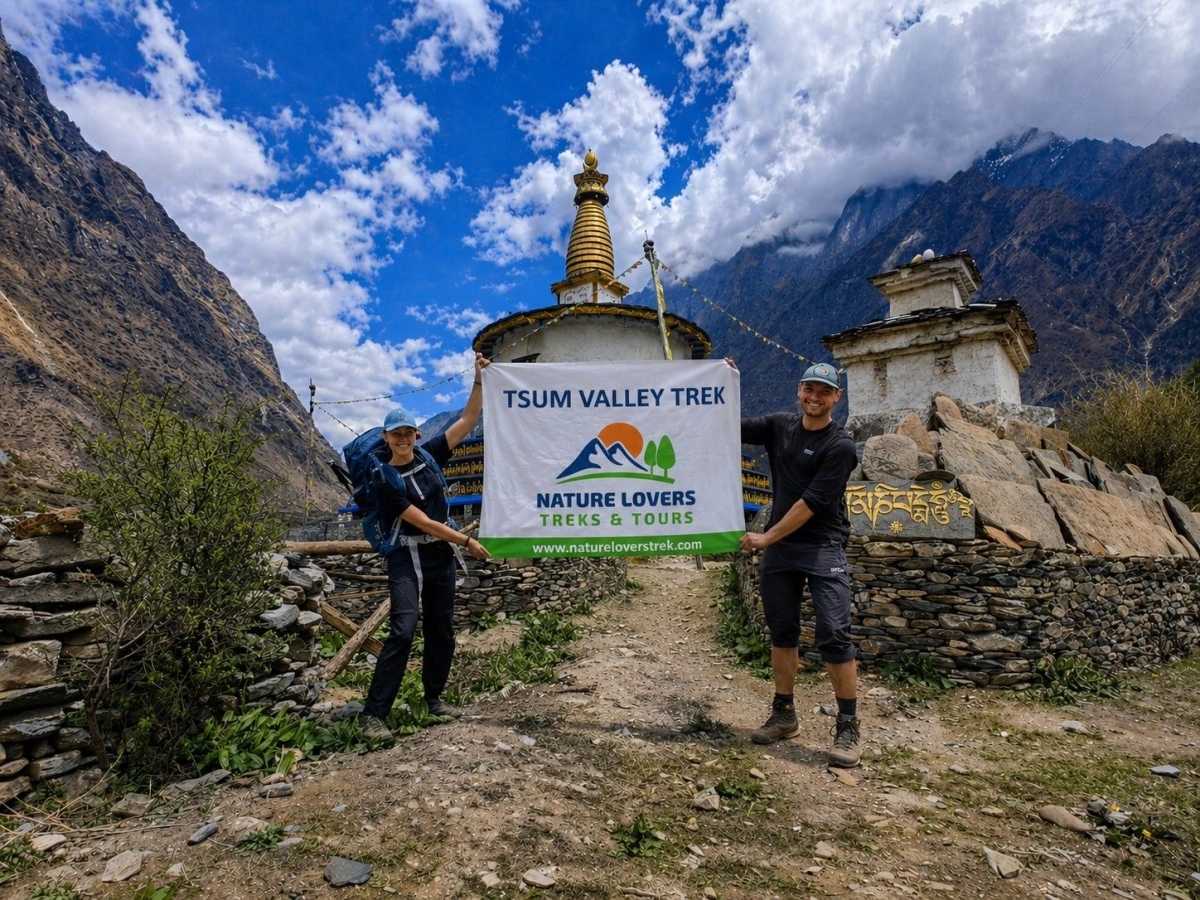
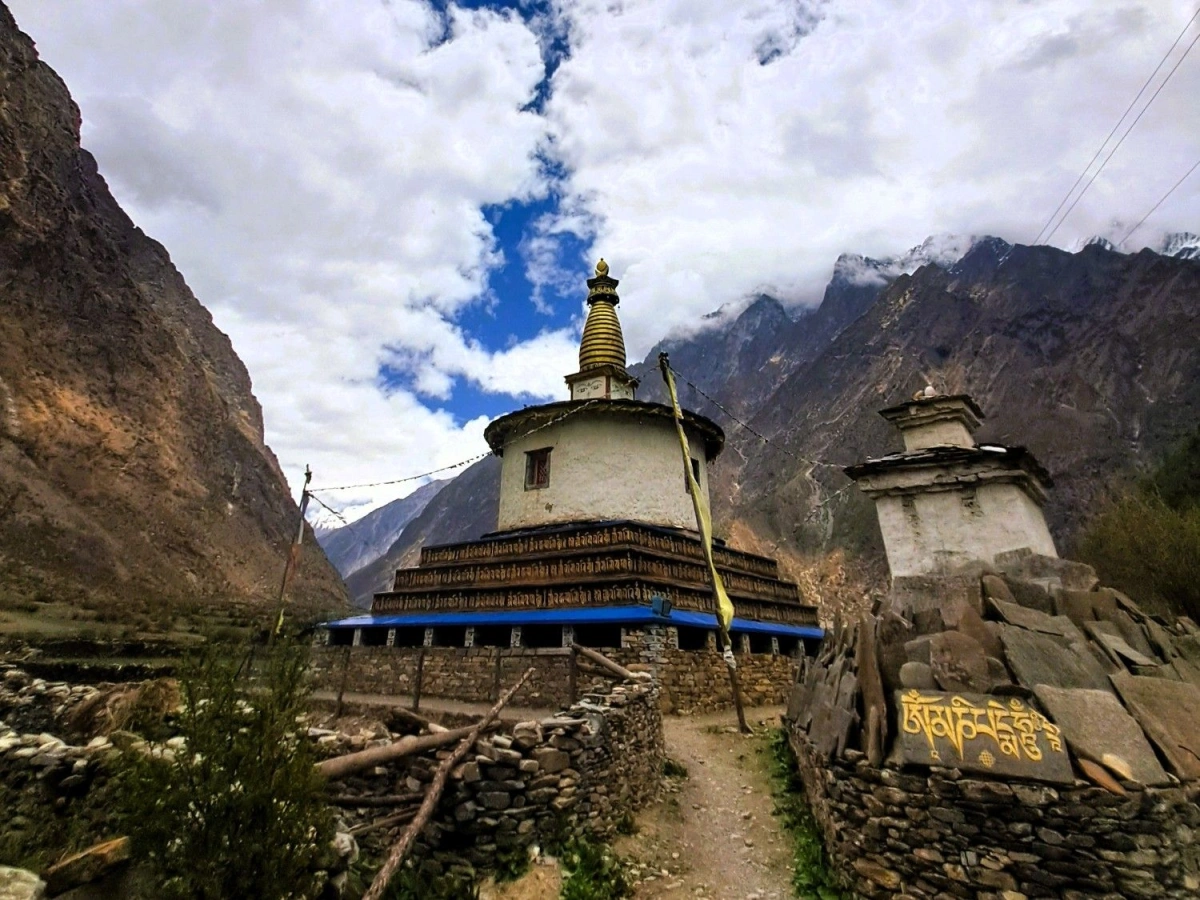
  • Visiting the atmospheric village of Chumling, the acknowledged gateway to the inner Tsum Valley, with its ancient monasteries, centuries-old mani walls, and traditional stone architecture decorated with Buddhist motifs.
  • Exploring the high-altitude villages of Chekampar and Nile, perched above the valley floor with commanding views of the Himalayan summits to the north and the open plateau of the inner valley stretching out below.
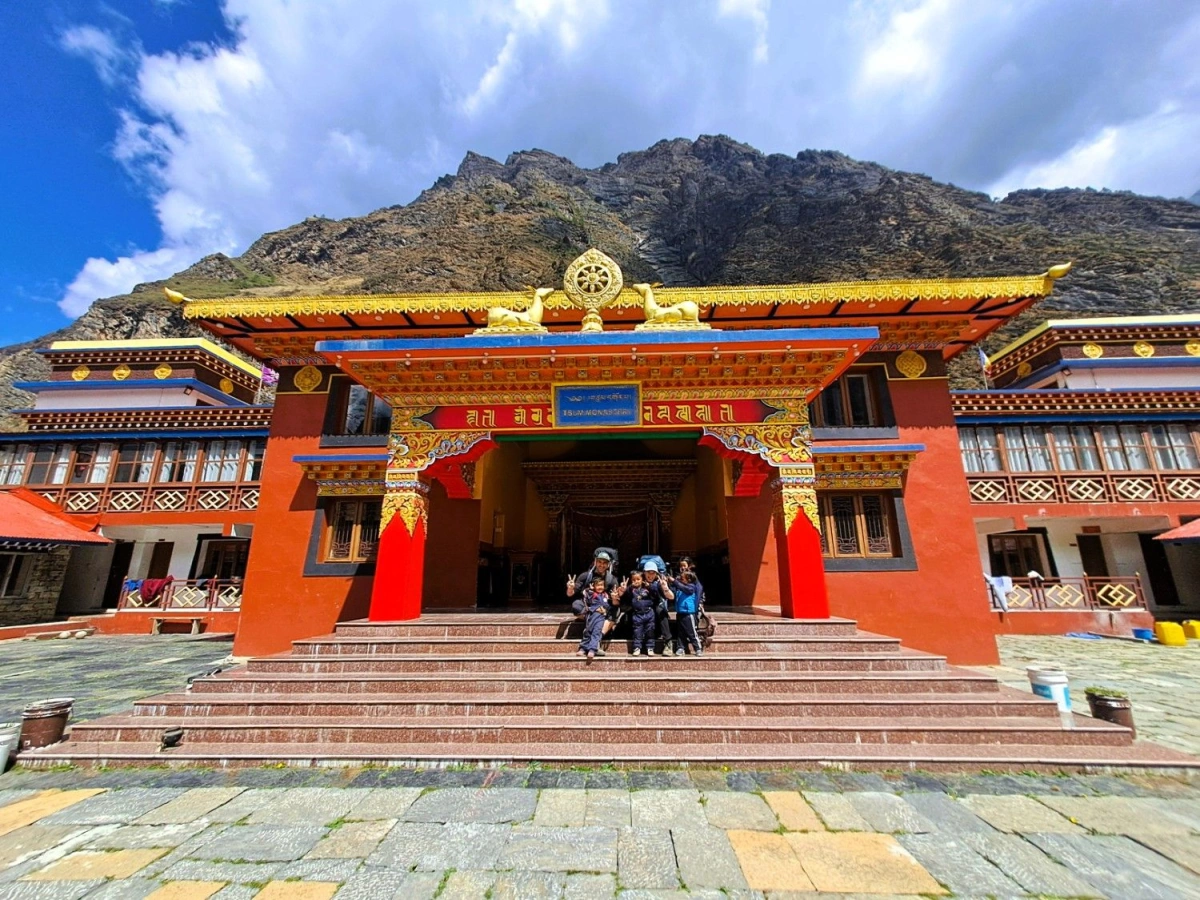
  • A full-day excursion to Mu Gompa at 3,700 metres, the most sacred and visually stunning monastery in the Tsum Valley, offering sweeping panoramic views and the rare chance to observe an active monastic community in its natural high-altitude setting.
  • Sweeping and unobstructed panoramic views of Ganesh Himal, Sringi Himal, Baudha Himal, and Himalchuli throughout the journey, with exceptional photography opportunities at multiple viewpoints along the route.
  • Immersive cultural encounters with the Tsumba people, including visits to ancient mani stone walls, spinning prayer wheels, ornate chortens, and remote cliff-hugging monasteries that have served as centres of spiritual practice for centuries.
  • A rewarding and reflective descent through the valley on the return journey, experiencing familiar landscapes from new angles as the afternoon light transforms the textures and colours of the terrain.
  • Comfortable teahouse stays at the best available lodges throughout the trek, with full-board meals included and the convivial atmosphere of the trail's small but welcoming hospitality community.

Overland Transport Information for the Tsum Valley Trek

Unlike the Everest Base Camp or Annapurna Circuit Trek, which typically begin and end with domestic flights into mountain airstrips, the Tsum Valley Trek begins and concludes with an overland road journey from and back to Kathmandu. The drive from Kathmandu to Maccha Khola takes approximately eight hours and follows the Prithvi Highway before veering north through the Budhi Gandaki River valley. This route traverses some of Nepal's most scenically rich highway corridors, passing through market towns, riverside settlements, and forested foothills that provide an excellent preview of the terrain you will soon be trekking through on foot.

All road transfers are conducted in comfortable, air-conditioned private vehicles arranged and managed by Nature Lovers Treks and Tours. Our vehicles are well-maintained, our drivers are experienced on mountain roads, and your comfort and safety during the journey are our first priority. The return drive from Maccha Khola to Kathmandu on Day 12 follows the same route in the opposite direction, bringing your trekking adventure full circle and providing a final opportunity to absorb the landscapes of the Budhi Gandaki valley as you make your way back to the capital.

Both legs of the road journey are scheduled for an early morning departure to take advantage of the best road conditions during the cooler morning hours and to maximise your trekking time on arrival. Due to the nature of mountain roads in Nepal, minor delays caused by ongoing road construction works, seasonal weather, or local traffic are occasionally possible. Our logistics team closely monitors road conditions and coordinates all transport schedules in advance to ensure the smoothest possible start and end to your Tsum Valley adventure.

Customised Tsum Valley Trek 2026/2027

At Nature Lovers Treks and Tours, we understand that every traveller brings a unique set of goals, physical capabilities, available time, and personal preferences to their trekking experience. Our standard 13-day Tsum Valley Trek Itinerary has been carefully optimised over many years to balance daily trekking distance, natural acclimatisation, and meaningful cultural exposure at key points along the route. However, we also offer a fully customisable version of this trek for those who wish to spend additional time in the valley, incorporate specific side trips, or upgrade their accommodation experience.

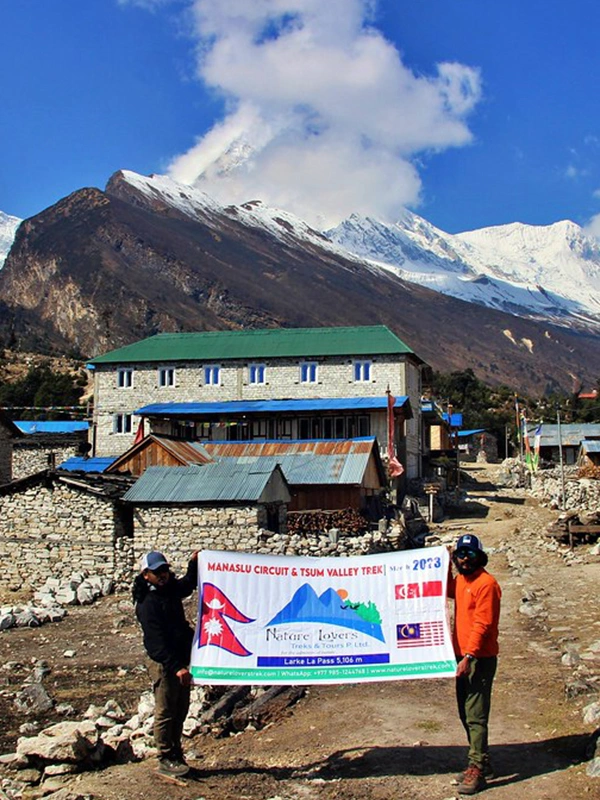
Popular customisation options for the Tsum Valley Trek include an extended stay of one or two extra nights at Nile or Mu Gompa to allow more time for exploration and photography, the addition of a hike to Rachen Gompa, an impressive nunnery located on a clifftop above the valley floor, and the option to combine the Tsum Valley Trek with the classic Manaslu Circuit for trekkers who have the time and physical conditioning for a longer adventure. Accommodation upgrades to premium lodge rooms, where these are available along the route, can also be arranged on request. Helicopter emergency evacuation contingency planning is available for all trekkers who wish to have this additional layer of security in place.

Please contact our travel experts to discuss your specific requirements in detail. We will craft a bespoke itinerary that perfectly aligns with your trekking ambitions, available timeline, preferred pace, and budget.

Short Itinerary & Altitude

Tsum Valley Trek - 13 Days Detailed Itinerary

Day 1

Arrival in Kathmandu (1,400m / 4,593 ft) and transfer to Hotel

Your 13-day Tsum Valley Trek begins upon your arrival at Tribhuvan International Airport in Kathmandu. One of our team will meet you at the arrivals gate and transfer you to the hotel in the city center. Check in and spend the rest of the day settling in, exploring the busy streets of Thamel or visiting the nearby temples and handicraft bazaars. In the evening you meet your trek coordinator for a full pre-departure briefing.

Day 2

Drive from Kathmandu to Maccha Khola (930m / 3,051 ft) via Arughat – Approx. 8 hours

Your adventure really begins after an early breakfast with a scenic drive overland northwest from Kathmandu into the Gorkha and Manaslu corridor. The road meanders through terraced hillsides, river valleys and rural Nepali villages, providing a vibrant portrait of everyday mountain life. The last section of the trail descends into the gorge of the Budhi Gandaki River, where the trail gets increasingly rugged and spectacular. In the late afternoon you will reach Maccha Khola and settle into your teahouse where you will enjoy a hot dinner and get some rest before the first full day of trekking.

Day 3

Trek from Maccha Khola to Jagat (1,340m / 4,396 ft) – Approx. 6 hours

The trail begins on the eastern bank of the Budhi Gandaki, winding through dense subtropical forest, past waterfalls, and over swaying suspension bridges. The trail gradually climbs above the river gorge, punctuated by small riverside hamlets. You will pass through several Gurung and Magar settlements before arriving at Jagat, the official entrance to the restricted Manaslu Conservation Area. The paperwork is already in order, so you can simply check in, eat a hearty dinner, and rest for the journey ahead.

Day 4

Trek from Jagat to Lokpa (2,240m / 7,349 ft) – Approx. 6 hours

From Jagat, the trail gradually climbs along the Budhi Gandaki valley. As we go up the forest becomes thicker and the path is lined with rhododendron, oak and bamboo. Beyond the ancient stone village of Salleri the trail forks and today you peel off the main Manaslu Circuit for the hidden valleys of Tsum. Cross stone-arch bridges and clamber through terraced fields to Lokpa, a quiet settlement where the pace of life feels centuries away from the modern world. The feeling of remoteness increases with every step.

Day 5

Trek from Lokpa to Chumling (2,386m / 7,828 ft) – Approx. 4 hours

Today’s stage is a deeper venture into the Tsum Valley on a trail that climbs through pine and juniper forests dotted with dramatic cliff faces and clear mountain streams. Chumling is the first big Tsum settlement on the trail and a great introduction to the valley’s distinctive Buddhist culture. Village paths are lined with mani walls, prayer wheels and brightly painted chortens. Here the people, known as Tsumbas, have preserved a way of life that has not changed much for generations. Learn about their customs over a warm meal in the teahouse, spend the evening

Day 6

Trek from Chumling to Chekampar (3,031m / 9,944 ft) – Approx. 6 hours

The trail climbs steeply from Chumling, then opens out into a wide, open valley that reveals the full grandeur of the Tsum landscape. The snow capped peaks start to dominate the horizon and the lower forests give way to alpine meadows. Chekampar is situated in the cultural heart of the Upper Tsum Valley and houses one of the most important monastic communities in the whole Himalayan arc. This is where the spiritual soul of Tsum really comes alive.

Day 7

Trek from Chekampar to Nile (3,361m / 11,026 ft) via Piren Phu Cave – Approx. 6 hours

The trail leaves Chekampar and heads into the upper valley over great ridgelines and glacial streams. The air thins out at this altitude, and the surroundings resemble some kind of high Himalayan plateau. A short detour off the trail takes you to Piren Phu Cave, where you can see the footprint of Milarepa on stone inside the cave monastery. Nile itself is a small traditional village that serves as a base for exploring the sacred Mu Gompa the next day.

Day 8

Day Trip to Mu Gompa (3,700m / 12,139 ft) – Approx. 5 hours round trip

Today is the most exciting day of the entire Tsum Valley Trek. You get up early and follow the trail from the Nile into the high alpine zone, towards Mu Gompa, the most revered and ancient monastery in the Tsum Valley. Mu Gompa is a living spiritual community, dramatically perched on a cliff ledge with Ganesh Himal, Sringi Himal and Boudha Himal as its spectacular backdrop. For centuries monks and nuns have been practising Tibetan Buddhism here. Inside the monastery, prayer halls are decorated with centuries-old thangkas, butter lamps and sacred relics. Here pilgrims walk long distances to get blessings. In the afternoon, come back to the Nile with the quiet and profound energy of this sacred place.

Day 9

Trek from Nile to Ripchet (2,386m / 7,828 ft) via Rachen Gompa – Approx. 7 hours

Today you begin your descent of the Tsum Valley, retracing the route southwards through familiar villages, but now seen from a different angle and with a greater appreciation of the landscape. The way back is never a retrace. The light is different, the shadows fall differently, the conversations with the villagers seem richer for the days you've spent among them. You will again pass through Chekampar and the upper valley meadows, before descending through juniper groves to Ripchet, on the opposite side of Chumling, where you will spend a final night in the heart of the Tsum Valley.

Day 10

Trek from Ripchet to Philim (1,570m / 5,150 ft) – Approx. 6 hours

Today the descent continues through ever lusher terrain as the trail drops back toward the subtropical vegetation of the lower Budhi Gandaki valley. Philim is a bigger village than the hamlets far up the valley and has a more mixed population of Gurung, Magar, and Tamang communities. The contrast with the high-altitude Buddhist culture of the Tsum heartland is stark and, by extension, enriching in itself. Enjoy a well-earned rest, a hot shower, and a hearty dinner of local fare to celebrate the penultimate trekking day.

Day 11

Trek from Philim to Maccha Khola (930m / 3,051 ft) – Approx. 6 hours

The final day of trekking takes you down the Budhi Gandaki valley, retracing the lush lower trail through riverside forests and across the suspension bridges you crossed at the very start of the journey. The lower elevation landscape is vivid and alive and the warmth in the air is a welcome change to the cold nights at altitude. By the time you reach Maccha Khola you will have a real sense of accomplishment. The Tsum Valley has opened up and shared its secrets with you and the memories you will carry will stay with you for a lifetime.

Day 12

Drive from Maccha Khola to Kathmandu (1,400m / 4,593 ft) via Arughat – Approx. 8 hours

Enjoy the last breakfast with views of the Budhi Gandaki River before a long drive back to Kathmandu. Now, the mountain roads that started the adventure are offering a cinematic farewell to the hills. In the evening, drive back to Kathmandu and transfer to your hotel. A farewell dinner is organized for you complimentary with certificate of completion of Tsum Valley Trek from our team.

Day 13

Transfer to Tribhuvan International Airport for final departure

You have officially completed your 13 days Tsum Valley trek. Our Nature Lovers Treks and Tours representative will pick you up in a private vehicle and drive you to Tribhuvan International Airport with enough time before your departure. As you board your flight home, take with you the extraordinary memories of a valley rarely seen by travellers – the sacred landscapes, the ancient monasteries, the kindness of the Tsumba people and the eternal silence of the high Himalayas.

Still Confused?
No worries. Our team is ready to guide you every step of the way.

Cost Details

Includes

Accommodation

  • 2 nights star-level hotel accommodation in Kathmandu on a bed and breakfast basis
  • 10 nights teahouse accommodation during the trek on a twin or double sharing basis

Transportation

  • Airport pick-up and drop-off in a comfortable private vehicle
  • All overland transport between Kathmandu and Maccha Khola, and back to Kathmandu in sharing vehicles

Meals

  • All meals during the trek: breakfast, lunch, and dinner at teahouses along the route

Permits & Documentation

  • Tsum Valley Restricted Area Special Permit
  • Manaslu Conservation Area Project (MCAP) permit
  • Tsum-Nubri Rural Municipality entry permit
  • TIMS (Trekkers' Information Management System) card

Guide & Support Staff

  • Professional, government-licensed, English-speaking trek guide
  • Guide's salary, meals, accommodation, travel insurance, and transport costs
  • First aid medical kit carried by the guide throughout all trekking days

Complimentary Items

  • Complimentary company t-shirt, duffel bag, and printed route map
  • Trek completion certificate issued on request

Taxes & Charges

  • All applicable government taxes and service charges

Excludes

Flights & Visa

  • International airfare to and from Nepal, and Nepal entry visa fee payable on arrival at Kathmandu airport

Accommodation & Meals

  • Personal meals and sightseeing in Kathmandu beyond what is included in the package

Insurance

  • Comprehensive travel insurance covering emergency helicopter evacuation and medical expenses (mandatory for all trekkers)

Porter & Equipment

  • Porter service, which is optional and can be shared between two trekkers to reduce cost
  • Personal trekking gear and equipment not provided by the package

Personal Expenses

  • Personal expenses during the trek, including laundry, phone calls, battery charging fees, Wi-Fi access, hot showers, snacks, alcoholic or soft beverages, and souvenirs

Gratuities

  • Tips for trekking field staff, including the guide and porters, which are highly recommended and deeply appreciated

Add-Ons & Options

To make your 13-day Tsum Valley Trek more comfortable and enjoyable, there are several optional upgrades to consider. From private vehicle transfers and dedicated porter support to renting all-inclusive trek gear, these thoughtful additions can transform your journey through one of Nepal's most sacred and unspoiled valleys into a truly memorable experience.

Enhance your trekking experience by hiring a dedicated porter capable of carrying up to 20–22 kg, an ideal arrangement for two trekkers to share and enjoy a lighter, more comfortable journey on the trail.

Wish to start your Tsum Valley trek in an easy and comfortable way? A private jeep from Kathmandu to Machha Khola is a more comfortable, flexible and time saving option than public shared transport.

Conclude your Tsum Valley trek in the same comfort and style you began with. A private jeep transfer from Machha Khola back to Kathmandu offers a flexible, relaxing, and hassle-free return journey.

Essential items such as a warm down jacket, a sleeping bag rated to at least –20°C, trekking poles and microspikes for icy trails are heavy, expensive and cumbersome to transport from home. This is where our all-inclusive trek gear rental service comes in handy. We give you all the things you will need at the beginning of your trek, and pick them up at the end of your trek.

Still Confused? Consult an Expert

Essential Information

Best Season for the Tsum Valley Trek

Spring, running from March to May, and Autumn, running from September to December, are the two most favorable and consistently recommended seasons for undertaking the Tsum Valley Trek in Nepal. Both seasons offer stable weather patterns, relatively clear skies, and optimal trail conditions for high-altitude trekking across the full range of elevations encountered on this route.

Spring brings pleasantly warm daytime temperatures at lower elevations, extended daylight hours that allow for longer trekking days, and the spectacular natural display of rhododendron forests bursting into full bloom throughout the lower and middle elevations of the Budhi Gandaki Valley. The trails are vibrant with color, and the air at lower elevations carries the sweet fragrance of wildflowers in bloom. While there is a modest possibility of afternoon rain showers in late May as the pre-monsoon season approaches, careful planning around the daily itinerary ensures that wet weather rarely disrupts the trekking experience in a meaningful way.

Autumn is widely and consistently considered the gold standard season for Himalayan trekking throughout Nepal. By September, the monsoon rains have cleared the atmosphere, leaving the Himalayan skies with exceptional transparency and clarity that produces stunning long-range visibility across multiple ranges. The panoramic views of Ganesh Himal, Sringi Himal, and Baudha Himal are at their absolute clearest and most photogenic during October and November, and the cool, dry trail conditions underfoot make for highly enjoyable and efficient trekking. Because the Tsum Valley is a restricted area with a permit cap, the trails never approach the crowd levels seen on more popular routes even during the peak autumn months. That said, early booking is strongly advised for autumn departures, as permit slots fill quickly and availability cannot be guaranteed for late bookings.

Tsum Valley Trek Difficulty

The Tsum Valley Trek is rated as a moderately challenging trek with sections of genuine physical demand that should not be underestimated by prospective trekkers. The total trail distance across the 13-day itinerary, combined with multiple consecutive days of sustained elevation gain and the cumulative physiological effects of extended time at high altitude, means that a reasonable level of prior trekking experience and a solid foundation of cardiovascular fitness are important prerequisites for a safe and genuinely enjoyable journey. The highest point reached on the standard itinerary is Mu Gompa at 3,700 meters above sea level, which, while not extreme by the standards of the greater Himalayan trekking world, still carries meaningful acclimatization considerations that require careful management throughout the days leading up to the summit excursion.

Our itinerary has been structured over many years of experience to incorporate natural acclimatization stages into the daily pacing, ensuring that the body has adequate time to adjust progressively to increasing altitude before the most demanding days of the trek arrive. Your guide is experienced in monitoring the early symptoms of altitude-related illness, including headache, nausea, fatigue, and loss of appetite, and is trained and authorized to make informed decisions about pace adjustments, rest days, and, if necessary, descent to lower elevation. The return journey follows a gentle and gradual descent profile that allows the body to readjust comfortably to lower elevations over the course of several trekking days.

Who Can Go on the Tsum Valley Trek in Nepal?

The Tsum Valley Trek is thoughtfully suited for the following categories of trekkers and travelers:

  • Trekkers with prior experience of multi-day Himalayan or mountain trekking who are seeking a deeply off-the-beaten-path adventure in one of Nepal's least visited and most culturally significant regions.
  • Cultural enthusiasts and photographers with a particular interest in the extraordinary living heritage of Tibetan Buddhism as it is practiced in a remote and largely unchanged Himalayan setting.
  • Travelers seeking solitude, spiritual renewal, and the opportunity to form a meaningful and respectful connection with one of Asia's last truly isolated mountain communities.
  • Adventurers who wish to explore the spectacular Manaslu region of north-central Nepal without committing to the full high-altitude demands and longer itinerary of the complete Manaslu Circuit.

Tsum Valley Trek: Necessary Gear and Equipment Checklist

The Tsum Valley Trek requires thorough preparation for a wide range of environmental conditions, from subtropical warmth and high humidity in the river gorges of the lower Budhi Gandaki to cold temperatures, strong winds, and reduced oxygen levels in the high-altitude stages near Mu Gompa. The following gear checklist covers everything you will need to ensure a safe and comfortable journey across all elevations and terrain types encountered on this route.

Head and Face Protection

  • Trekking hat or wide-brimmed cap for sun protection at lower elevations
  • Woollen beanie or insulated hat for cold nights and high-altitude trekking days
  • Headlamp or flashlight with a full set of spare batteries, essential for early-morning starts and teahouse evenings
  • UV-protection sunglasses with wraparound or side-shield design
  • Bandana or neck buff for dust and sun protection on exposed trail sections
  • High-factor sunscreen of SPF 40 or higher, which is especially important at altitude
  • Insect repellent for lower elevation sections where jungle vegetation creates prime mosquito habitat

Upper Body Layers

  • Two moisture-wicking base layer shirts in synthetic or merino wool fabric
  • One or two lightweight, water-resistant trekking jackets for mild rain and wind
  • Fleece mid-layer or down insulating jacket, essential for the Nile and Mu Gompa stages
  • Waterproof rain jacket or pack poncho for monsoon-edge showers in spring season
  • One long-sleeve shirt for additional sun or insect protection on lower trail sections
  • Two pairs of moisture-wicking base layer underwear
  • Gore-Tex or equivalent fully waterproof outer shell for severe weather conditions

Lower Body and Hands

  • Two pairs of convertible trekking trousers that zip off to shorts for lower-elevation days
  • One pair of thermal leggings or base layer bottoms for cold high-altitude nights and early mornings
  • Lightweight liner gloves for mid-elevation trekking and cool mornings
  • Insulated down or synthetic gloves for high-altitude trekking days
  • Waterproof outer gloves or mitts for wet or snowy conditions

Footwear

  • Waterproof trekking boots with reliable ankle support and a grippy, vibram-style sole, well broken in before the trek begins
  • Gaiters for protection on muddy, rocky, or snow-affected trail sections
  • Two pairs of merino wool or high-quality synthetic trekking socks
  • Two pairs of lighter comfort socks for use in teahouses during rest time
  • Camp sandals or lightweight flip-flops for teahouse evenings

Miscellaneous and Safety

  • Sleeping bag rated to at least minus 10 degrees Celsius for cold high-altitude nights in teahouse dormitories
  • Trekking poles, strongly recommended for river crossings, steep descents, and general trail stability
  • 60-litre or larger backpack with integrated rain cover and hydration system compatibility
  • Water purification tablets or a portable water filter, essential for safe drinking water throughout the trek
  • High-energy trail snacks such as energy bars, mixed nuts, and dried fruits for supplementary nutrition between meals
  • Personal first aid kit including blister care supplies, pain relief medication, anti-diarrhoeal tablets, and altitude sickness medication as advised by your doctor
  • Portable power bank for charging cameras, smartphones, and other electronic devices at teahouses
  • Camera or high-quality smartphone for documenting the extraordinary landscapes and cultural encounters along the route
  • Biodegradable toiletries, biodegradable wet wipes, and alcohol-based hand sanitiser
  • Dry bags or waterproof stuff sacks for protecting electronics, documents, and sleeping bag from rain and river spray
  • A supply of Nepali rupees in small denominations for personal expenses, hot showers, Wi-Fi charges, and tips along the trail
  • Emergency whistle for signalling in the unlikely event of a trail emergency or separation from the group

Tsum Valley Trek - 13 Days FAQs

The trek typically takes around 12-16 days to complete, depending on the specific itinerary and route chosen.

Yes, it is a restricted area. Trekkers need three permits: the Tsum Valley Restricted Area Permit (RAP), the Manaslu Conservation Area Project (MCAP) permit, and a local entrance fee. A minimum of two trekkers is required to obtain the RAP.

No, independent trekking is not allowed. A licensed trekking guide and an organized group through a registered trekking agency are mandatory.

The best seasons are September to November (autumn) and March to May (spring), offering stable weather and clear skies. Spring also brings vibrant rhododendron blooms and cultural festivals.

The highest point on the standard Tsum Valley Trek is around 3,700 m at Mu Gompa, making the altitude gain more manageable than many other Himalayan treks.

The trek is considered moderate in difficulty. Even beginners can attempt it as long as they can walk around 4-6 hours a day and are prepared for the remote, limited-infrastructure environment.

Key highlights include ancient monasteries like Mu Gompa and Rachen Gompa, the legendary Milarepa Cave, stunning views of Ganesh Himal and Manaslu, and a rare glimpse into the traditional Tibetan-Buddhist culture of the Tsumba people.

The trek starts from Machha Khola. You drive from Kathmandu to Machha Khola, covering approximately 140 km. From there, the trail follows the same route as the Manaslu Trek until it branches off toward Tsum Valley.

Accommodation is in local teahouses or guesthouses with basic amenities. Food is mostly local Nepali cuisine, such as dal bhat and momos, with some teahouses offering simple western options like pasta.

There are no hospitals within the valley, only basic first aid at small health posts. In serious emergencies, evacuation to the nearest facility in Philim or nearby towns is necessary, so travel insurance covering emergency helicopter evacuation is strongly recommended.

Need Help? Call Us+977 9851254172